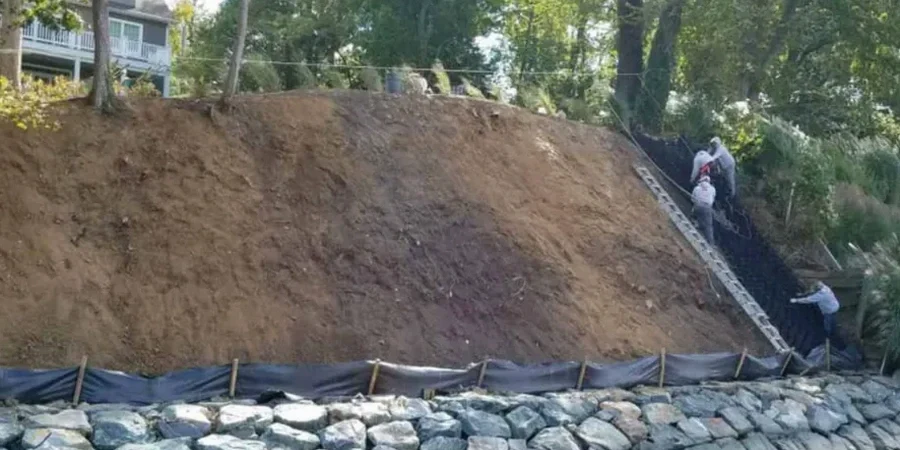
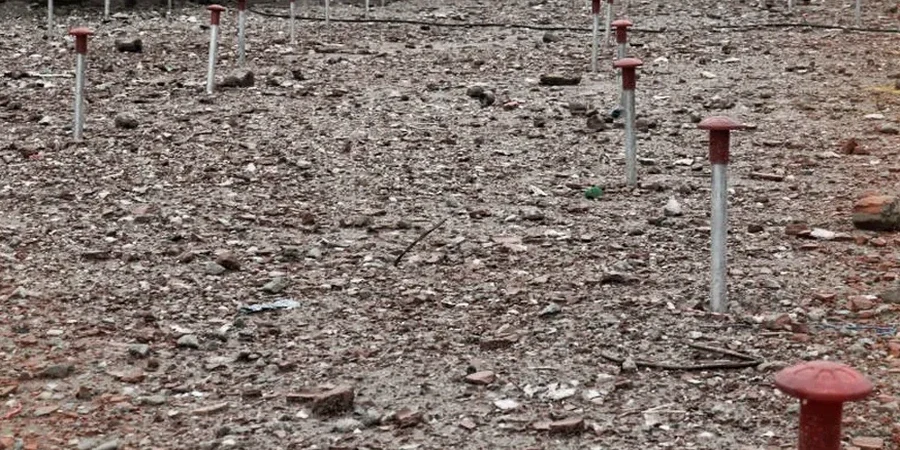
On a recent road project in Melbourne's western suburbs, the contractor hit 95% of maximum dry density by the third pass. That doesn't happen by luck. It comes from a reliable Proctor test run on the actual material before a single truck moves. Whether it's the Standard method for light compaction or the Modified for high-traffic pavements, we run both in our Melbourne laboratory. The geotechnical conditions here vary from stiff clays in the north to sandy fills near the bay. Each layer demands its own curve. We match the test to the project spec and the local soil type every time. Before the Proctor, we often recommend a granulometry to know the particle distribution and a classification of soils to anticipate how the material will behave under compaction. That upfront knowledge saves rework on site.
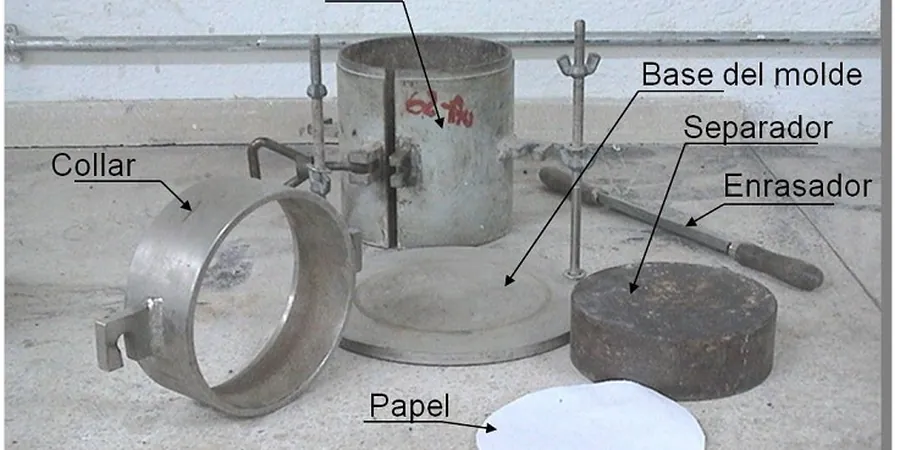
Max dry density means nothing if the moisture content is wrong. The Proctor curve fixes both.