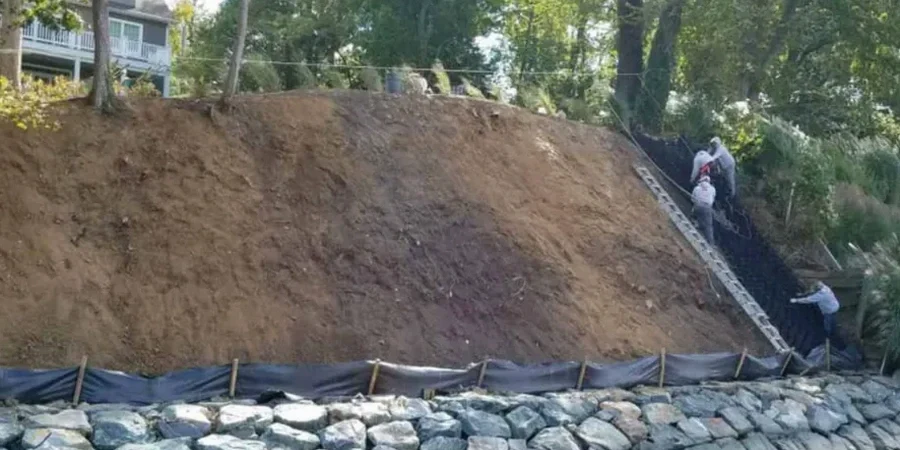
We were called to a site in Melbourne's south-eastern suburbs last year where a developer had poured a slab directly over black clay without any treatment. Within six months, differential heave had cracked the slab and jammed the garage door. That kind of failure is completely avoidable with proper lime and cement stabilization. For Melbourne, where the dominant soils are highly reactive basaltic clays and Tertiary siltstone residuals, chemical stabilization alters the plasticity and moisture susceptibility of the ground before any load is placed. The process involves mixing a measured dosage of quicklime, hydrated lime, or general-purpose cement into the upper 300–600 mm of soil, then compacting to a specified density. Before treatment we always run Atterberg limits and a cation exchange capacity assessment to determine the correct binder type and percentage.
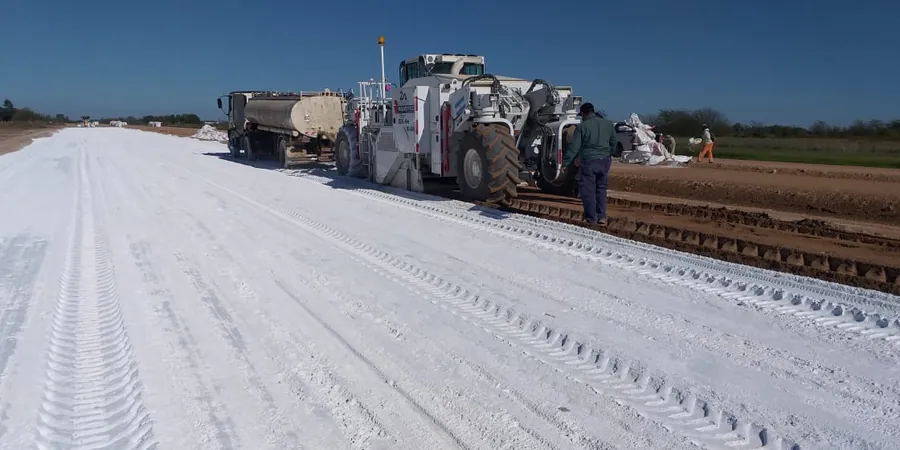
For Melbourne's reactive clays, lime stabilization reduces plasticity index from 45% to below 15% within seven days of compaction.