Geotechnical laboratory testing in Melbourne forms the analytical backbone of any construction or infrastructure project, transforming field samples into reliable engineering parameters. This category encompasses a comprehensive suite of tests designed to evaluate the physical, mechanical, and chemical properties of soils and rocks encountered across the region. From routine index testing to advanced strength and consolidation analyses, these services provide the quantitative data required for foundation design, slope stability assessments, and earthworks specifications. In a city experiencing rapid urban expansion and major transport developments, the role of accredited laboratory testing cannot be overstated—it directly mitigates risks associated with reactive clays, variable fill materials, and soft alluvial deposits.
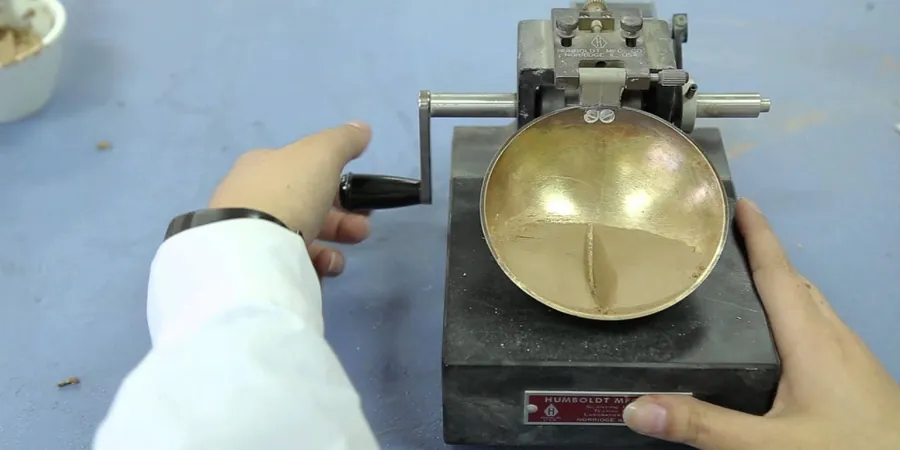
Melbourne’s geological landscape presents unique challenges that demand rigorous laboratory investigation. Much of the metropolitan area is underlain by Quaternary basalts of the Newer Volcanics Province to the west, while the east is dominated by Silurian and Devonian sedimentary rocks of the Melbourne Formation. Crucially, extensive pockets of Atterberg limits testing target the highly reactive basaltic clays prevalent in suburbs like Craigieburn and Werribee, where shrink-swell behaviour can cause significant structural distress. The Yarra Delta and former swamp regions feature compressible Coode Island Silt, a material that frequently requires oedometer consolidation test programs to predict settlement magnitudes and rates under proposed embankment loads.
Laboratory procedures across Victoria are governed by Australian Standards, primarily AS 1289 for soil testing methods, which align with NATA (National Association of Testing Authorities) accreditation requirements. These standards dictate everything from sample preparation to equipment calibration, ensuring results are defensible and consistent. For road and pavement projects, VicRoads specifications mandate specific test methods such as the laboratory CBR test to determine subgrade strength and the Proctor test (Standard or Modified) to establish compaction control parameters. Adherence to these frameworks is not optional; it is a contractual and regulatory prerequisite for geotechnical reporting in the state.
The application of laboratory testing spans a broad spectrum of project types across Melbourne and regional Victoria. High-rise developments in the CBD rely on direct shear test data to design deep basements and retention systems within the Fishermans Bend silt deposits. Major infrastructure initiatives such as the North East Link and Suburban Rail Loop demand extensive soil mechanics study campaigns to characterize tunnelling conditions and ground treatment requirements. Residential subdivisions on greenfield sites necessitate residual soil characterization to delineate weathering profiles and assess effluent disposal suitability. Each project phase, from feasibility to construction verification, integrates specific laboratory data to validate design assumptions and ensure long-term performance.
Laboratory testing quantifies soil and rock properties that field observations alone cannot determine, such as shear strength, compressibility, and reactivity. Given Melbourne's variable geology—including expansive basaltic clays and soft Yarra Delta silts—these controlled measurements are critical for designing foundations and earthworks that can withstand local ground conditions over the long term.
The AS 1289 series is the primary standard for soil testing methods, covering classification, compaction, strength, and consolidation tests. NATA accreditation ensures laboratories comply with these standards, while VicRoads codes often specify additional requirements for transport infrastructure projects, ensuring consistency and legal defensibility of results.
Projects ranging from high-rise buildings and deep excavations to major road and rail infrastructure require laboratory testing. Residential subdivisions also need testing for foundation design and septic system assessments. Any development involving earthworks, retaining structures, or loading of the ground benefits from a tailored laboratory investigation to minimise geotechnical risk.
Samples must be carefully extracted, sealed, and transported to preserve their in-situ moisture and structure. Disturbed samples are suitable for classification and compaction tests, while undisturbed samples are essential for strength and consolidation testing. Strict chain-of-custody and storage protocols per AS 1289 prevent deterioration before analysis.